AI and entrepreneurship classes for secondary-school students in Uyo
From AI tools to first customers: what students will learn.
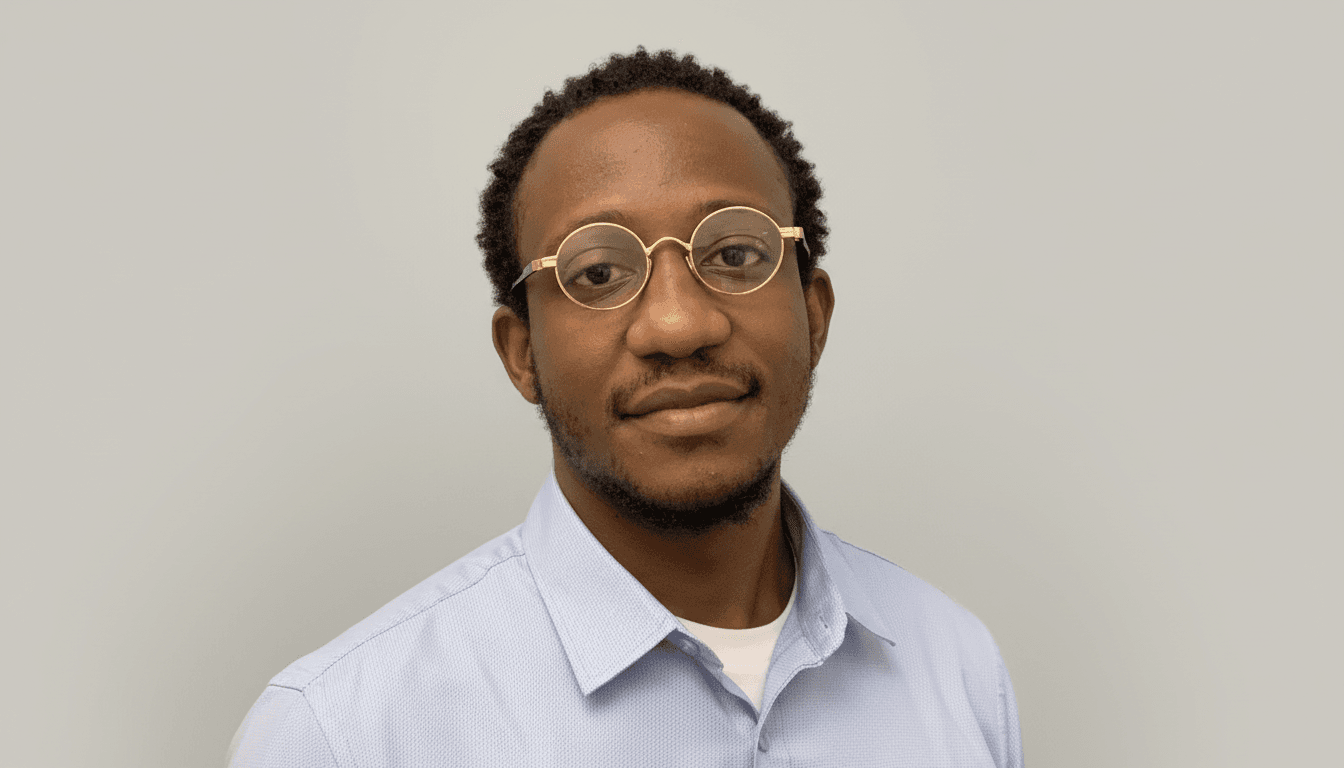
By Osarenren “Osas” Isorae · Programme designer and lead instructor
FirstVersion is a twelve-session applied AI and entrepreneurship programme. We are not teaching students to memorise AI terms or copy code they cannot explain. We are teaching them how to find a real problem, use modern tools to build a useful response and take that work to the market.
First, they learn to think with AI.
Students begin by examining how AI is changing real work and which decisions still require human knowledge, judgement and responsibility. They learn how to choose an AI tool for a specific job, give it a clear objective, add useful context and constraints, and evaluate the answer instead of trusting confident language.
They also learn where AI fails: incomplete data, bias, invented facts, weak instructions and unsafe access. Privacy, responsible data use and the security of AI agents are taught as part of building—not as an afterthought.
Then they turn a problem into working software.
Students look for problems in school, at home and inside local businesses. They speak to the people affected, separate assumptions from evidence and reduce a large idea to its smallest testable version. The class then chooses one cohort problem and agrees on what the leanest useful product must do.
From there, they write product requirements and use AI coding tools to help build, test and improve a working product. They learn how to divide work between people and AI agents, inspect generated code and results, fix what fails and keep a human responsible for the final decision. A student does not need previous coding experience to contribute, but every student must understand the choices behind what the team builds.
A product is only useful when it meets a real market.
Building is only half the course. Students learn how local businesses create value, who a customer is and why that customer would choose one solution over another. They practise writing a value proposition, estimating a reachable market, studying competitors and using honest evidence instead of impressive guesses.
They compare one-time payments, subscriptions, commissions and freemium models, then choose a realistic way for an idea to make money. They must also answer the practical question many business lessons ignore: how would this particular customer actually pay?
They learn to sell by listening, not pressuring.
Students practise customer conversations: asking about a need, listening carefully, turning a feature into a relevant benefit and making a clear ask. They learn how to respond to questions about trust, timing and price, and how to accept rejection without becoming dishonest or giving up on the lesson inside it.
They also learn to tell the story of what they built. That includes a truthful pitch, a specific request, an evidence-based personal brand and a small portfolio that shows their contribution. Funding is taught broadly: it can begin with money, but it can also be a first customer, an introduction, useful expertise or access to a place where the idea can be tested.
Finally, they present evidence—not just ambition.
On Demo Day, students explain the person and problem, show the product, share what people said, describe how it could earn money and admit what still needs work. They answer questions and leave with one evidence-backed step for the next thirty days. The standard is not a flawless demo. It is the ability to build, learn and explain the truth about the work.
The classroom continues inside the companion software.
During the pilot, students will also help us test the FirstVersion learning platform. It supports lesson summaries, assessments, reflections, progress records and a curriculum-grounded AI tutor where a parent or guardian has consented. The software is there to strengthen facilitator-led learning, not replace the people in the room.
The teaching comes from practitioners who build software, work with AI and understand the uncertainty of bringing a product to market. That practical experience shapes every lesson and every piece of feedback a student receives.
Classes are physical and take place at Kings & Queens Schools in Ewet Housing, Uyo. Summer sessions are already under way and walk-ins are welcome. The main programme begins on 14 September 2026, with classes planned for evenings and weekends. Online classes are not available yet.
This is not twelve talks about the future. Every session produces work: an evaluated AI response, a problem statement, product requirements, a working feature, a revenue model, a sales conversation, a pitch or a public demonstration. Students leave with evidence that they can think, build, sell and keep learning when the first version is not enough.